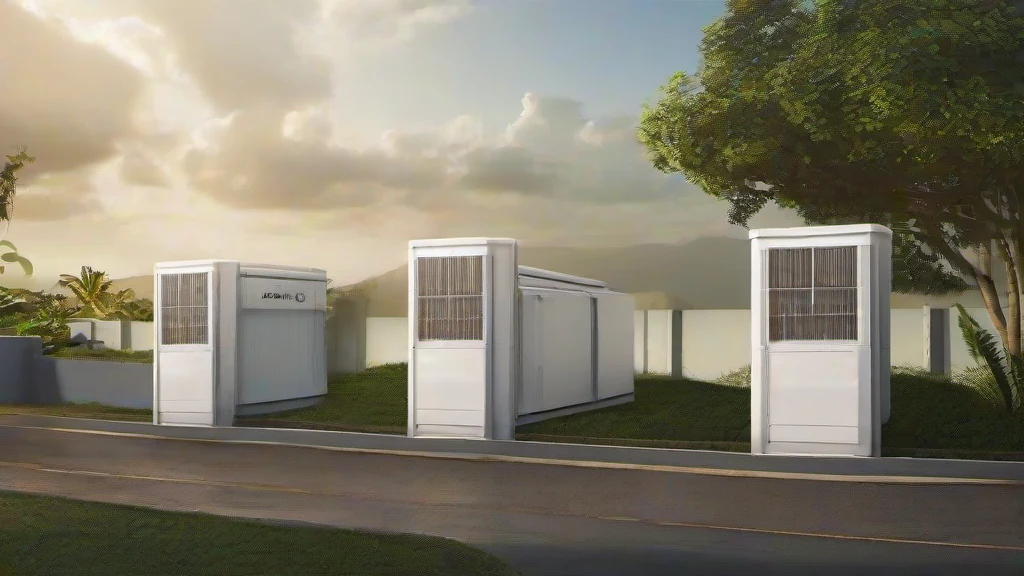
Puerto Rico’s grid operator drew on Sunrun’s network of home batteries for 18 consecutive days in October, as the island’s virtual power plant expanded to more than 60,000 participating customers. Sunrun says the network now includes nearly 70,000 batteries.
A virtual power plant coordinates batteries at multiple properties so they can supply electricity together. Sunrun says its Puerto Rico network has been dispatched more than 60 times since April, often delivering 45 megawatts for four hours. Daily deployments began on October 13 during unusually hot weather.
LUMA, Puerto Rico’s grid operator, calls on the Customer Battery Energy Sharing program when it expects electricity demand or reserve needs to exceed available generation. Participating companies, including Sunrun, automatically manage the batteries’ response.
Homeowners are paid for sharing stored energy and can decide how much battery capacity to keep for backup. Sunrun says most participants share only a small portion of their total capacity.
The batteries offer an additional source of power in a territory where electricity is expensive and outages remain frequent. The US Energy Information Administration reported that residential electricity averaged 26.36 cents per kilowatt-hour in Puerto Rico in August, compared with a US average of 18.16 cents.
Sunrun’s participation grew from around 4,000 customers in 2024 to more than 30,000 in 2025. Across the broader battery-sharing program, LUMA reported in July that more than 90,000 participating customers had provided an average of 75 megawatts during generation shortfalls.
The program still cannot cover every supply gap. In an April regulatory filing, participating aggregators said it had been unable to prevent all rolling blackouts in 2025 because some shortfalls exceeded its roughly 50-megawatt, four-hour capacity. The companies are seeking to enroll more batteries to handle larger gaps.
According to the EIA, Puerto Rico customers experienced an average of 36 hours without power in 2025, excluding major events—19% more than in 2024. Major events added a further 23 hours of outages.
Sources: Electrek.